Programs
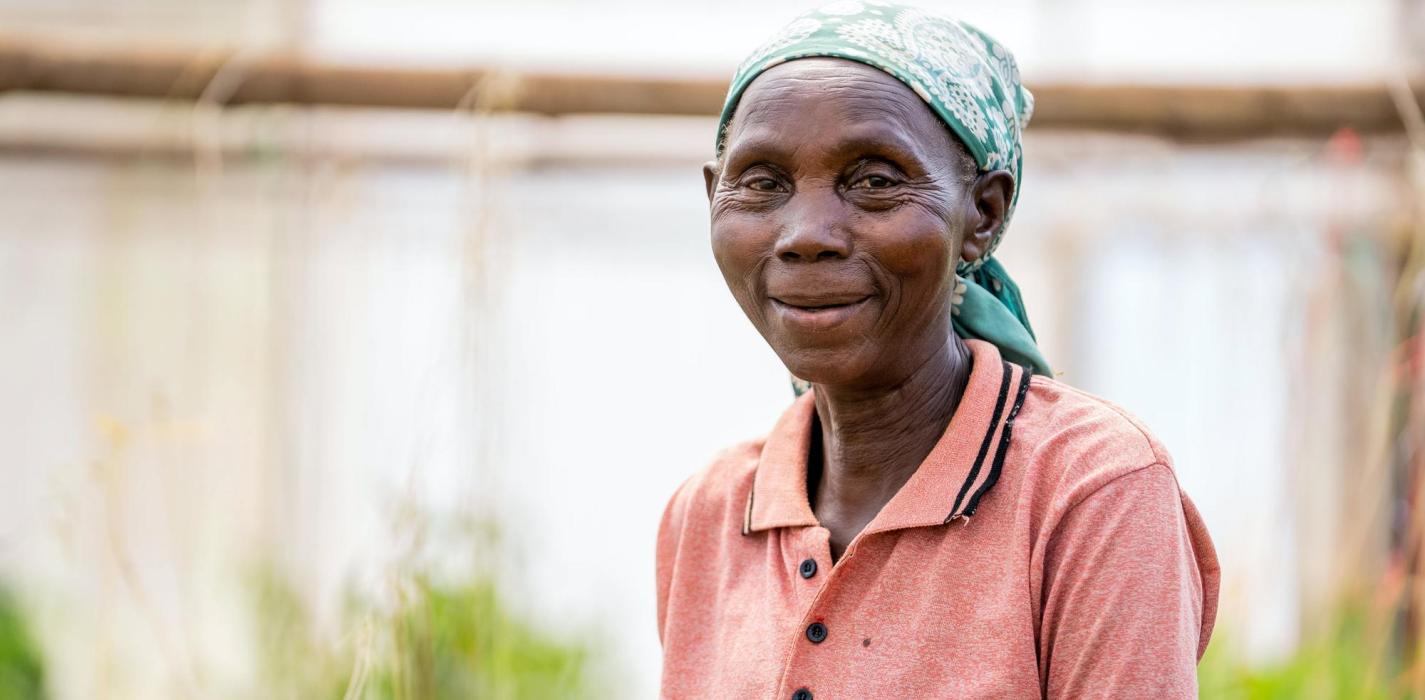
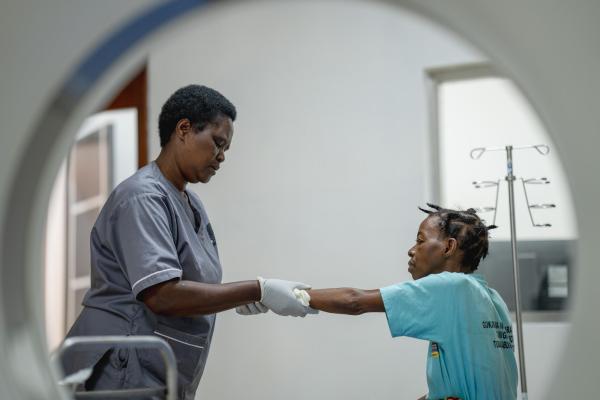
Partners In Health/Inshuti Mu Buzima works with Rwanda’s Ministry of Health to deliver comprehensive care for non-communicable diseases (NCDs), including diabetes, hypertension, chronic respiratory diseases, and rheumatic heart diseases. Through innovative care models, our program integrates accurate diagnosis, specialized medication, and essential social support to strengthen public health systems and uplift local communities.
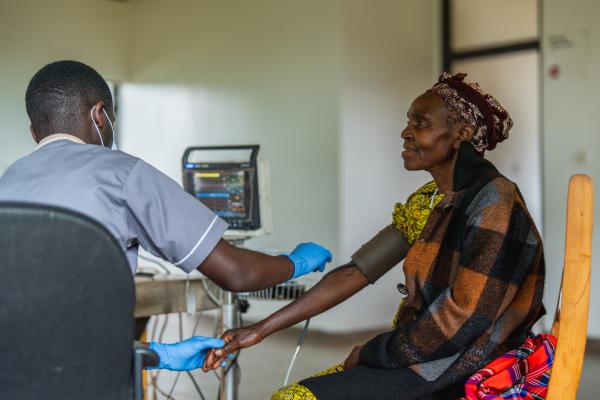
Partners In Health/Inshuti Mu Buzima (PIH/IMB), in partnership with Rwanda’s Ministry of Health, is helping build an equitable national cancer care system that ensures all people can access timely, high-quality cancer services regardless of where they live or their ability to pay.
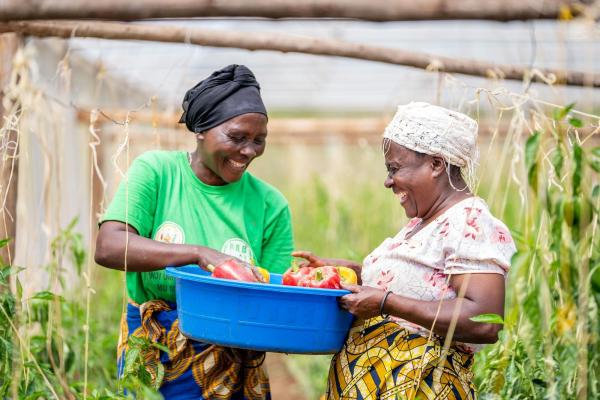
Partners In Health Rwanda’s Poser program addresses the root causes of poor health by tackling poverty, ensuring access to food, housing, and education, and empowering vulnerable communities.
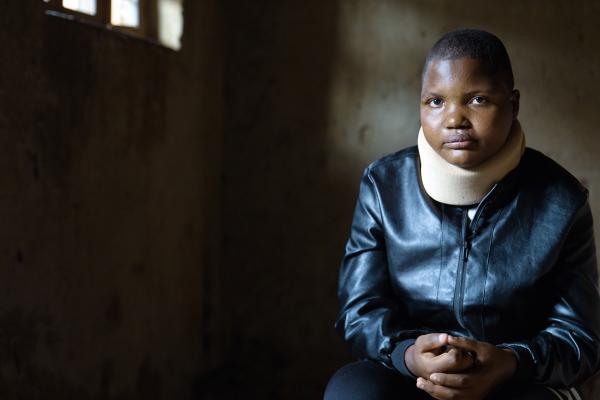
PIH Rwanda’s Right to Health program ensures equitable access to quality care by addressing barriers like cost, location, and resources for rural patients needing advanced health services.
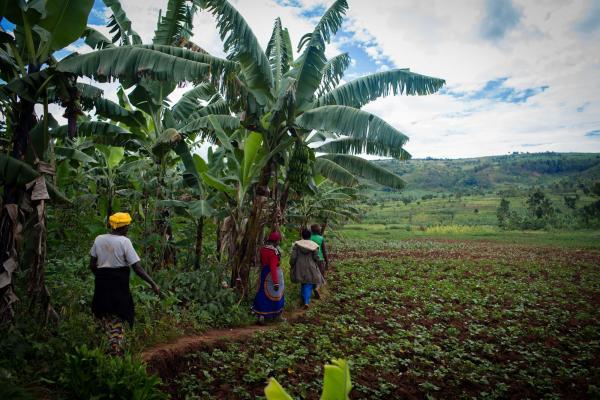
Partners In Health Rwanda combats malnutrition by supporting vulnerable communities, reducing child deaths from acute malnutrition, and breaking the cycle of undernutrition across generations.

Staff, stuff, space and systems all play a role in delivering high quality health care. PIH Rwanda believes in constructed health facilities that serve as dignifying spaces that enhance sustained recovery. Health facilities, even in poor and rural areas, should be beautiful, safe places equipped with modern tools and equipment.
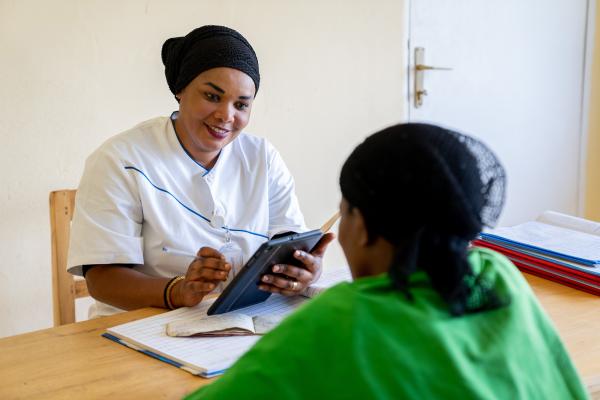
Collecting and analyzing data is key to driving informed decisions. Our health informatics team strengthens IMB by integrating Health Information Systems with Monitoring and Evaluation.
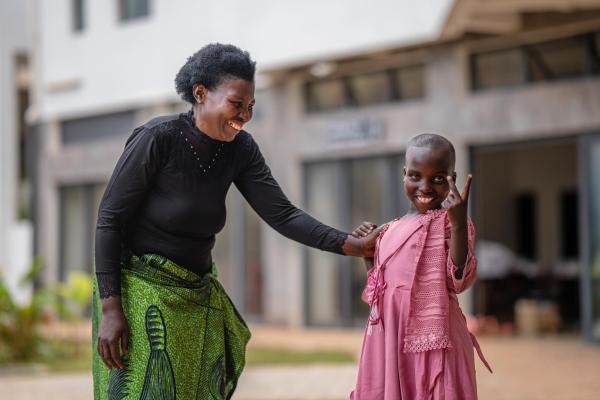
PIH Rwanda supports innovative programs to improve child health, reducing under-5 mortality and ensuring children access high-quality care through mentorship, clinics, and national health initiatives.
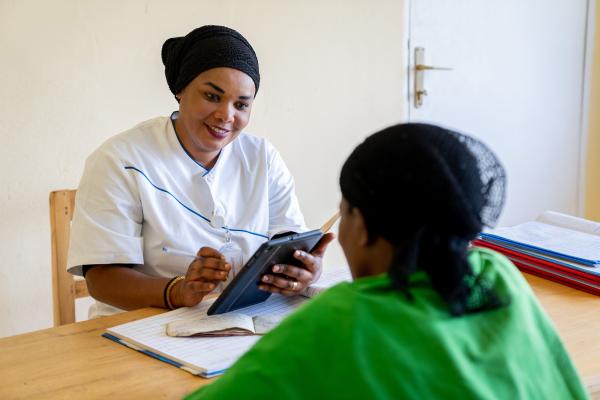
Partners In Health Rwanda enhances women’s health by improving access to quality obstetric care, family planning, and counseling, working to eliminate preventable maternal deaths in rural communities.
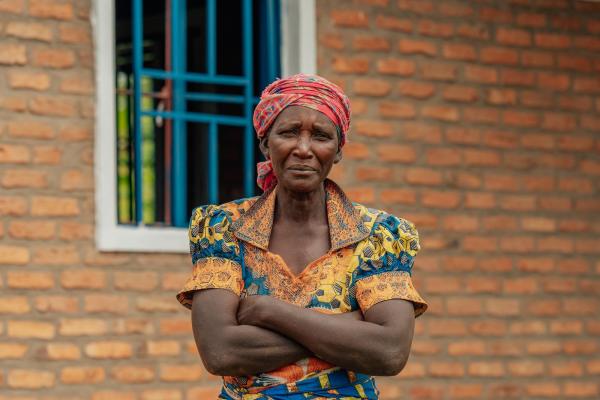
Partners In Health Rwanda improves access to mental health care by training providers, decentralizing services, and integrating mental health into primary care for rural communities.